
How To Build A Morning Energy Routine That Lasts Beyond Coffee
Category focus: Energy & Nutrition.
The real issue is not information
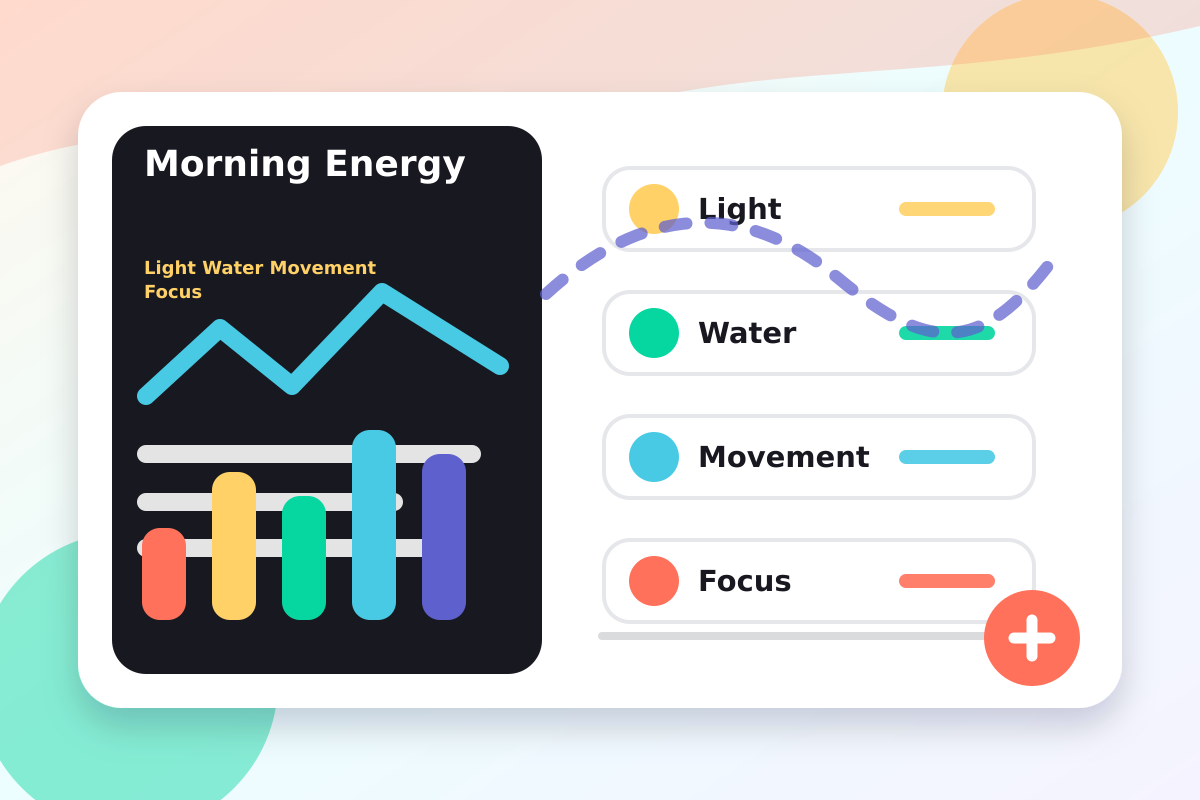
A morning energy routine is not about becoming a different person before sunrise. It is about making the first hour of the day support the person you already have to be. Many busy adults start the morning in reaction mode: phone first, messages first, caffeine first, decisions everywhere. By the time work begins, the nervous system is already responding to the world instead of guiding it. Coffee can help alertness, but it cannot replace light, hydration, movement, food and a calmer entry into the day.
The best routine is shorter than the fantasy version and more repeatable than the dramatic version. Start by asking what your morning must accomplish. It should wake the body, give the brain a clear target, reduce avoidable decision fatigue and protect the energy you need for the first major responsibility of the day. That may be a commute, school drop-off, client calls, deep work, training or caregiving. When the routine is designed around demand, it stops being a lifestyle performance and becomes practical fuel.
Build the system around real life
The first pillar is light. Natural outdoor light soon after waking helps anchor the body clock and signals that the active part of the day has begun. You do not need a perfect sunrise walk. Stand outside, drink water near a bright window, take the dog out, stretch on the porch or walk around the block. The point is to create a reliable cue. Morning light also makes evening sleep easier because circadian rhythm is a full-day system, not only a bedtime issue.
The second pillar is hydration before acceleration. Many people move from sleep directly into caffeine, then wonder why they feel wired but not well. A glass of water with breakfast or before coffee is simple, but it matters because dehydration can make fatigue and headaches worse. Some people benefit from electrolytes, especially after heavy sweating or low-carbohydrate eating, but the baseline habit is ordinary water placed where you cannot miss it. Reduce friction and the routine begins to run itself.
The third pillar is movement that changes state. This does not have to be a workout. Five minutes of brisk walking, mobility, squats, pushups against a counter, breathing drills or a short bike ride can shift circulation and attention. Movement tells the body that the day has started. The mistake is making morning movement so ambitious that it disappears on busy days. A small minimum keeps the identity alive. Longer training can sit on top of that, but it should not be required for the routine to count.
Make the next action visible
The fourth pillar is a breakfast strategy that matches your body and schedule. Some people feel best with a protein-rich breakfast. Others prefer a later first meal, but still need a plan so the afternoon does not become chaotic. The key is stable energy. Protein, fiber and color are good anchors. Examples include eggs with vegetables, Greek yogurt with berries and nuts, a smoothie with protein and fruit, oatmeal with seeds and a side of protein, or leftovers turned into a fast breakfast bowl. The exact meal matters less than the effect it creates.
The fifth pillar is one clear target. Before the day fills with requests, decide what would make the day meaningful or successful. This can be one work priority, one health action and one personal commitment. Write it where you will see it. A morning routine that ignores attention will still leak energy because every message can feel equally urgent. A clear target protects decision-making. It gives your energy a job.
To build the routine, choose a ten-minute version first. For example: water, light, two minutes of movement, a planned breakfast or breakfast decision, and one written priority. Do that for a week. Do not add five more habits because day one went well. Let the routine become familiar. Then expand if the week proves it can survive. A routine that works during a normal week is more valuable than a perfect routine that only works during a quiet one.
Review, adjust and keep moving
Track the effect, not only the completion. Ask: Did I feel less rushed? Did caffeine feel steadier? Did I make better food choices later? Did I start work with clearer focus? Did my evening sleep improve after several days? These questions show whether the routine is actually creating energy. If not, adjust. Maybe breakfast needs more protein, movement needs to be gentler, phone boundaries need to be stronger or bedtime is the real ignition point.
Coffee can remain part of the ritual, but it should not carry the whole system. When light, hydration, movement, food and attention are aligned, caffeine becomes support rather than rescue. The morning stops being a scramble and becomes a launch sequence. That is the kind of routine that lasts because it gives more than it takes.
A seven-day ignition plan
For the next seven days, keep the plan almost boring. Put a full glass of water where you will see it, choose one light cue and decide the minimum movement before the week begins. If the morning is calm, you can do more. If the morning is crowded, the minimum still counts. This protects the routine from all-or-nothing thinking and teaches your brain that the habit belongs even on imperfect days.
Use a simple energy score at midmorning and midafternoon. Rate focus, mood and physical energy from one to five. Then write one sentence about what helped or hurt. This tiny review turns the routine into a feedback system. You may discover that breakfast matters more than expected, that scrolling steals the first clean attention of the day, or that two minutes outside changes the tone of the morning.
At the end of the week, keep what clearly helped and remove what felt decorative. A sustainable routine should feel useful, not ornamental. The IgnitionX way is to build the smallest reliable spark, repeat it until it becomes familiar, then layer the next upgrade. That is how a morning routine becomes a personal energy system instead of another abandoned checklist.
- Choose one practical action for the next seven days.
- Make the minimum version small enough to complete on a busy day.
- Track the effect on energy, mood, focus or recovery.
- Use support or accountability so the habit stays visible.